



€821.00 *
you save up to 3% discount = €24.63
from €796.37
With prepayment, paypal or credit card you save up to 3% discount = €24.63
Prices incl. VAT plus shipping costs
Delivery time ca. 35 Workdays
- Order number: SW100471
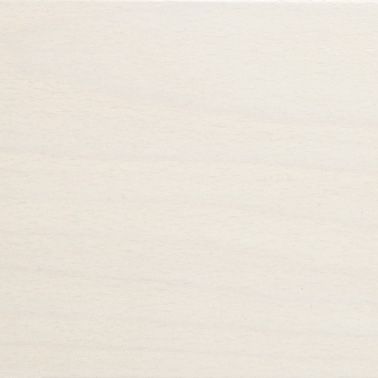
THONET wooden surface

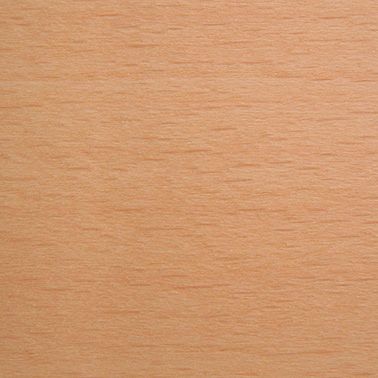

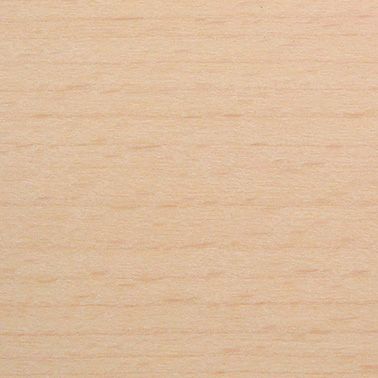
Tradition and diversity Thonet has been producing these historic chair still in the... more
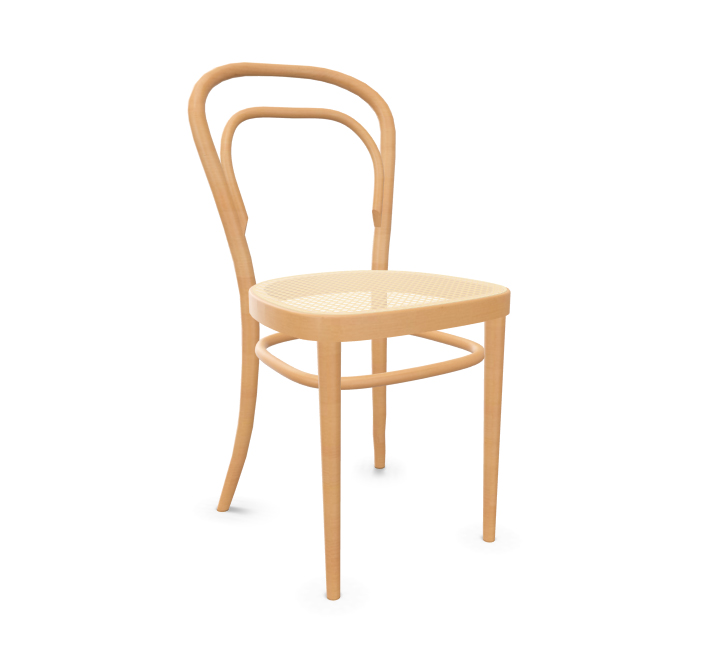
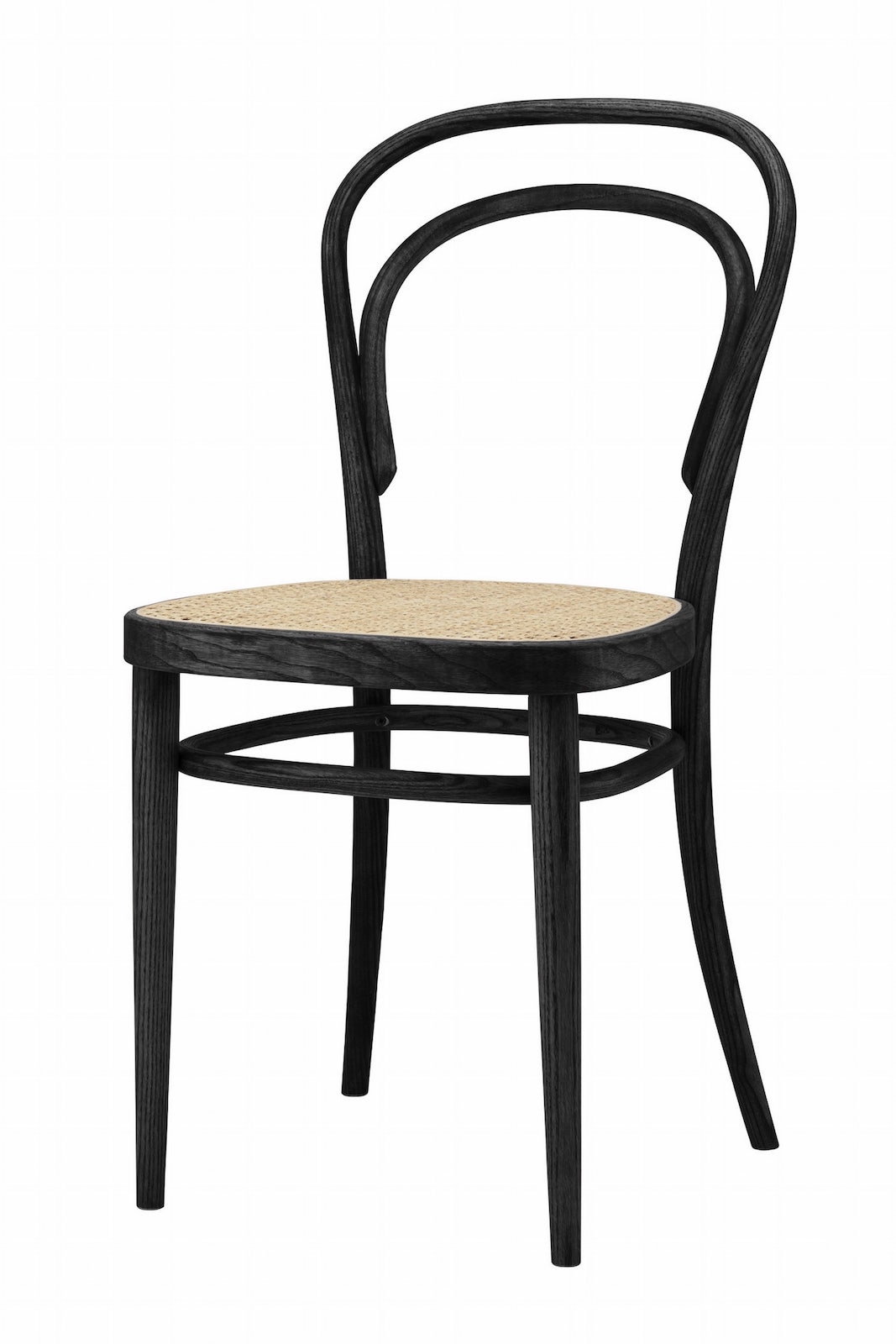
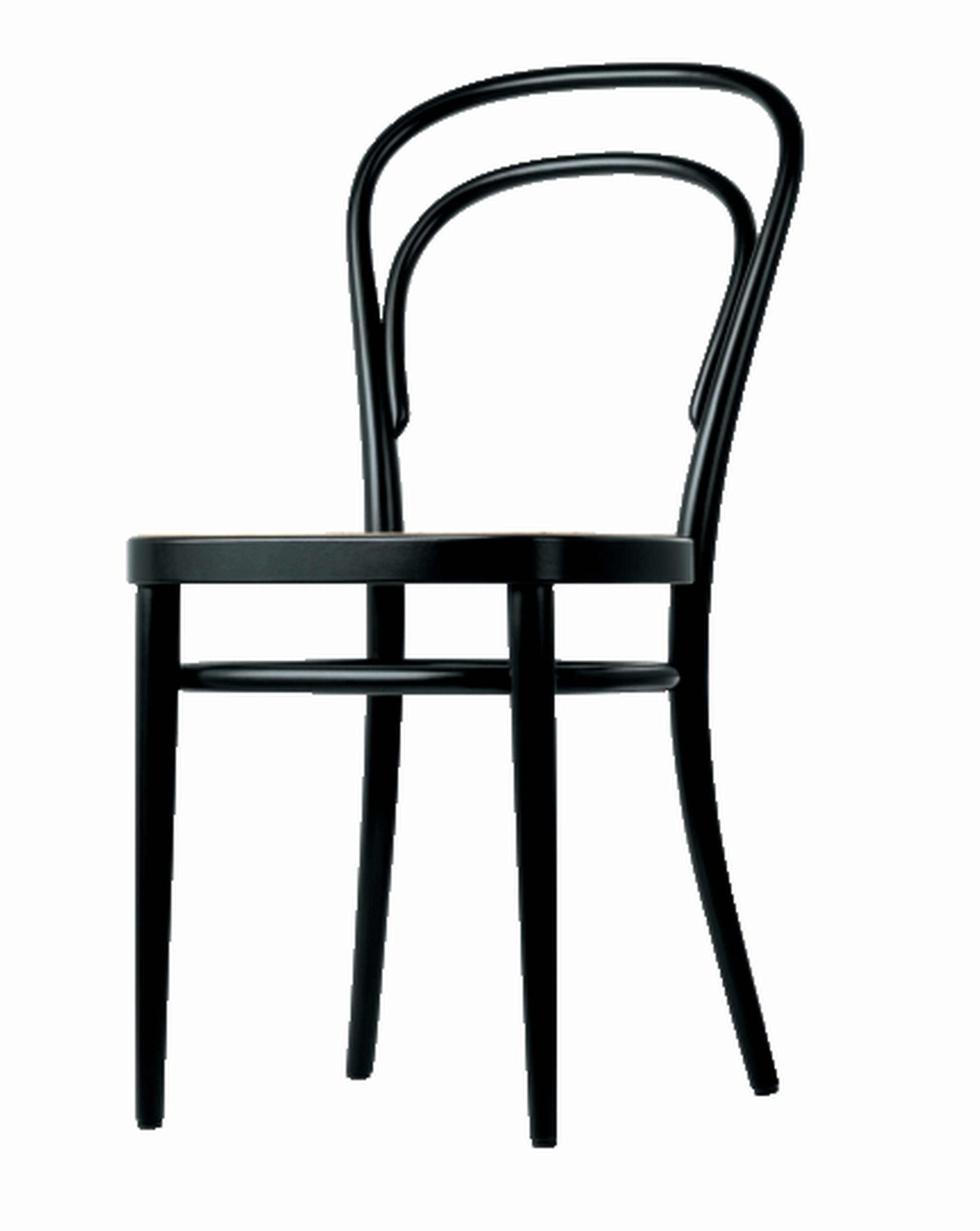
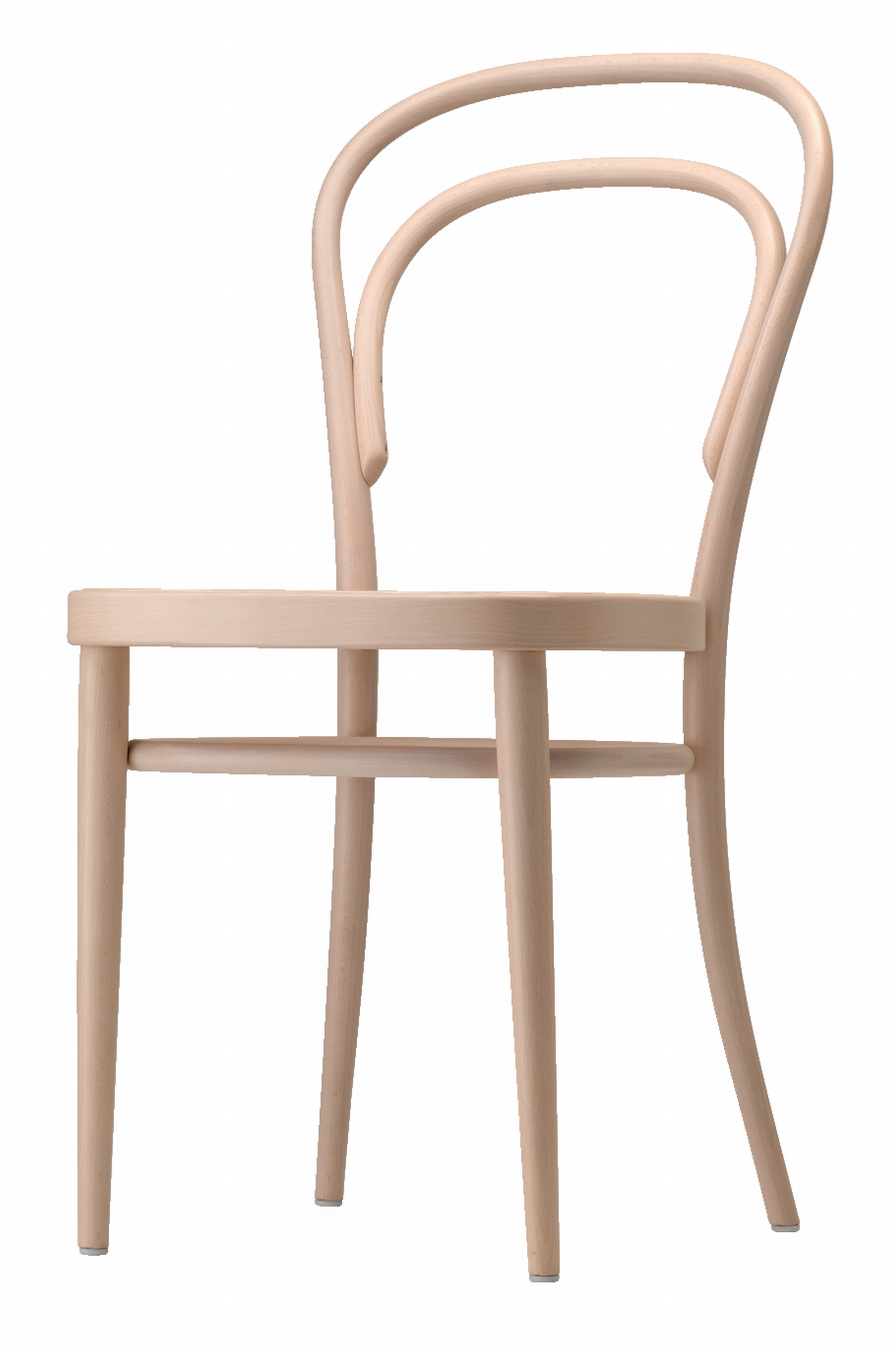
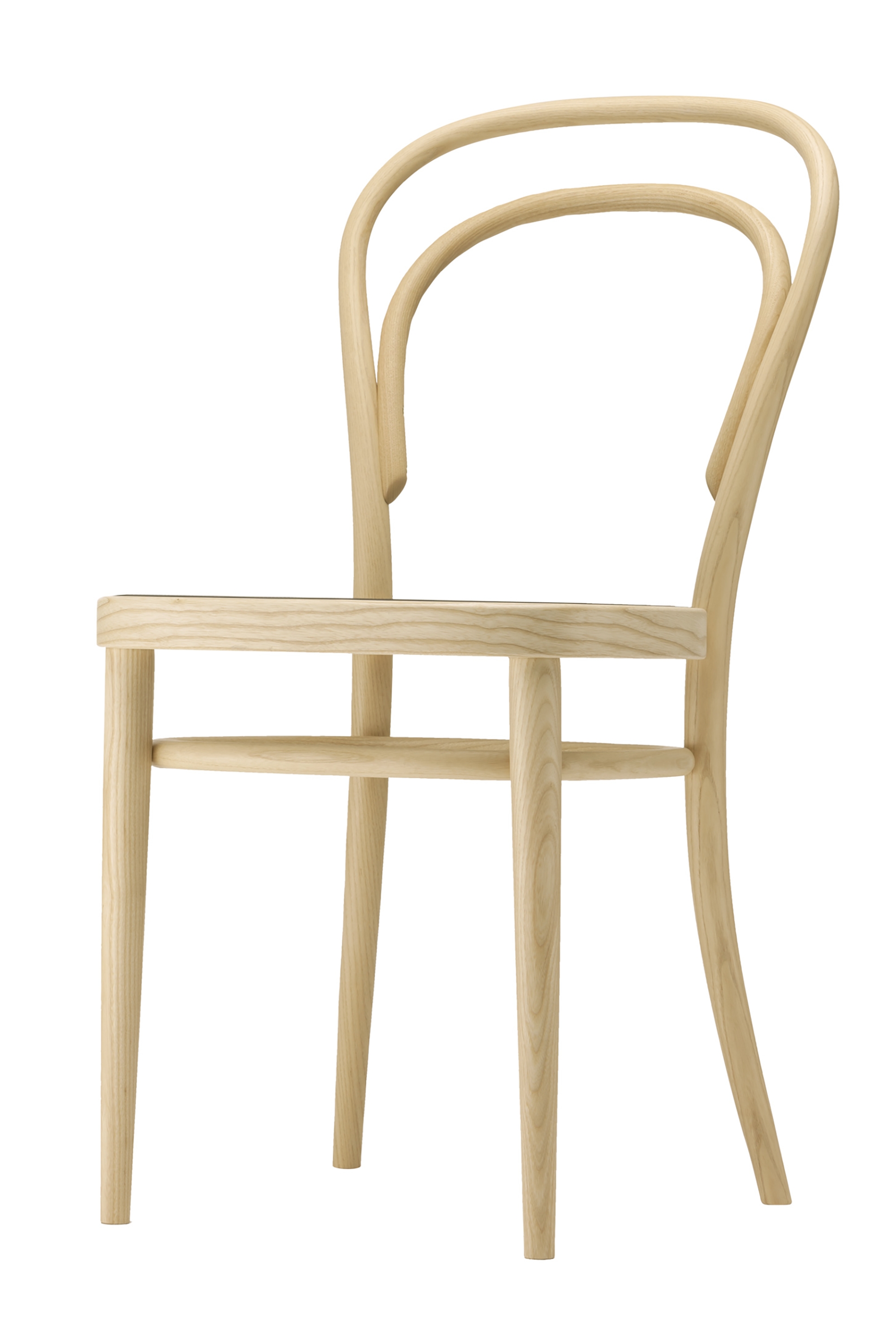
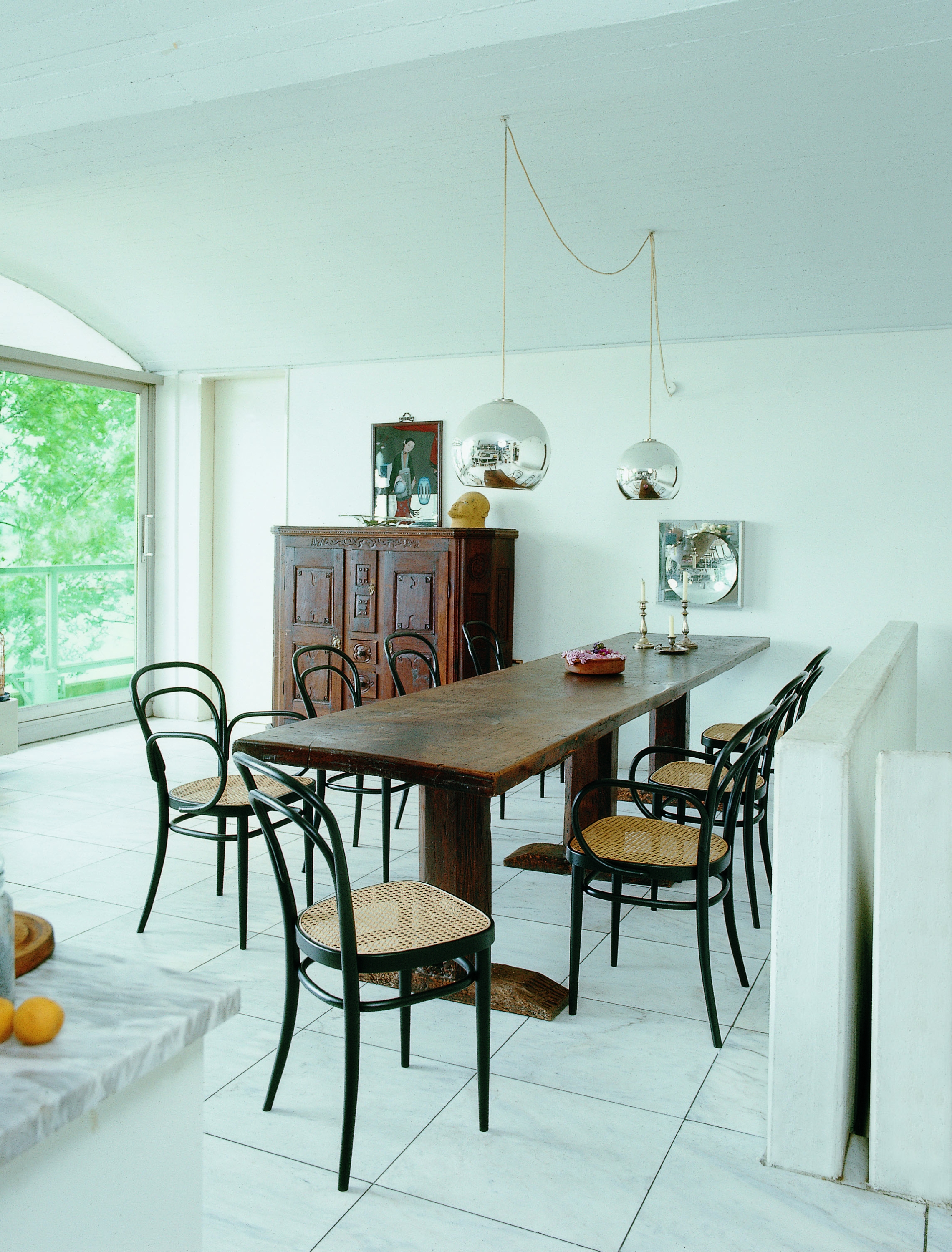
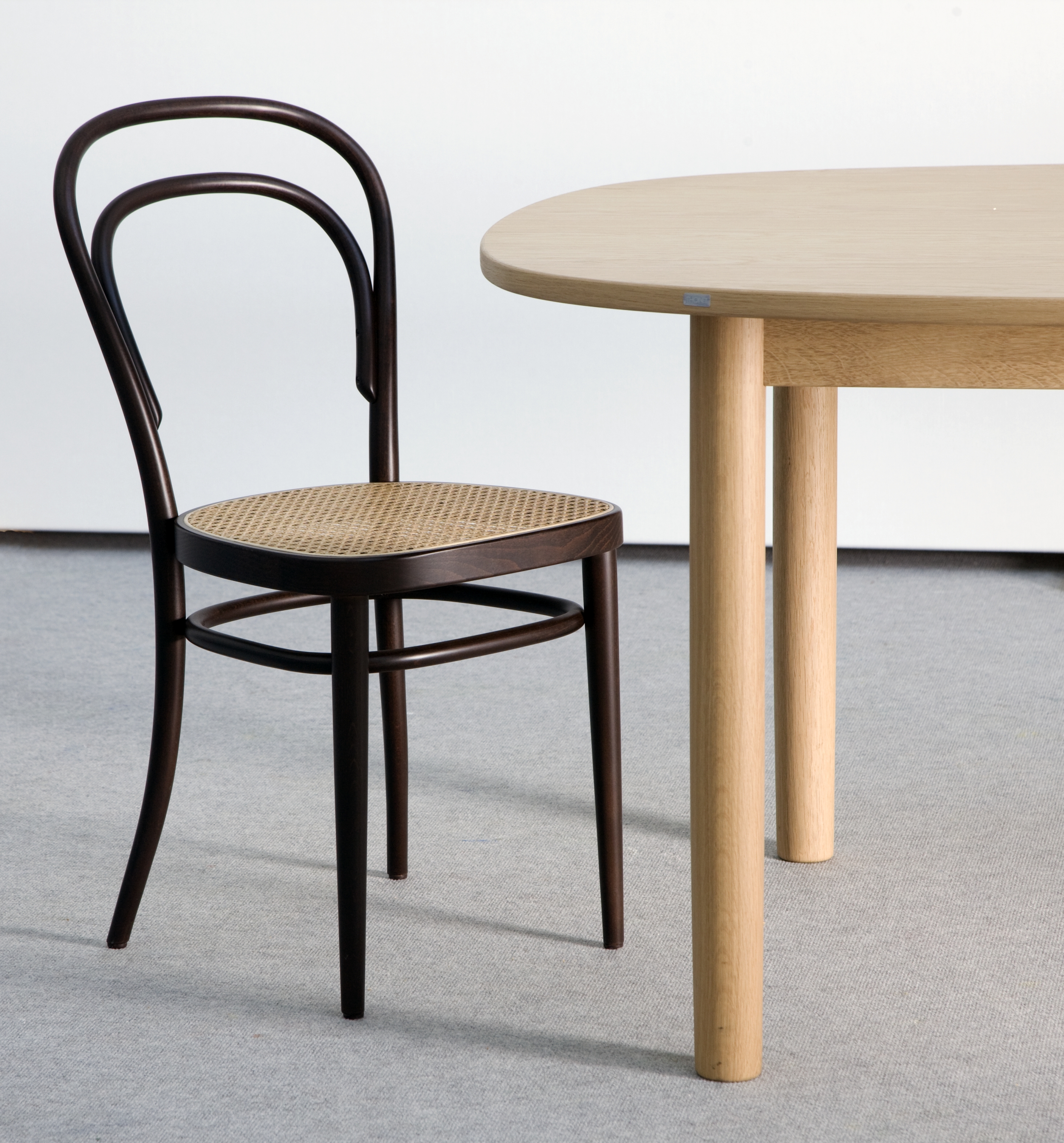
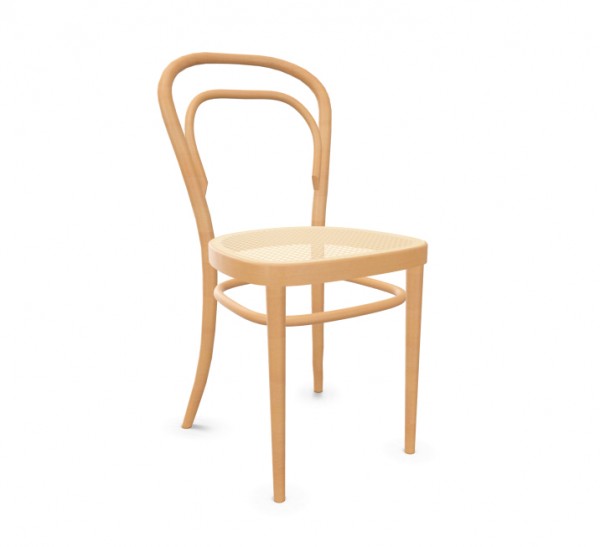
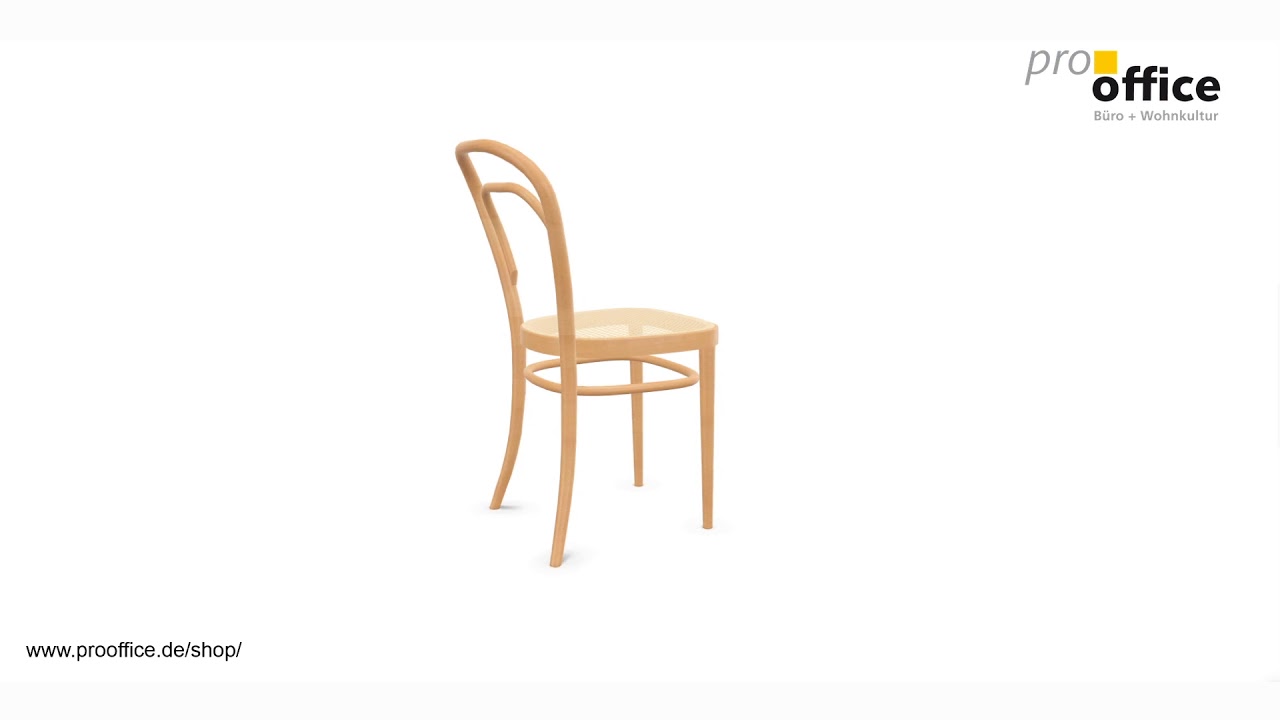
"Thonet 214 coffee house chair"
Tradition and diversity
Thonet has been producing these historic chair still in the traditional method and in exceptional, consistent quality. The original bears a burned Thonet seal and the year underneath the seat frame.
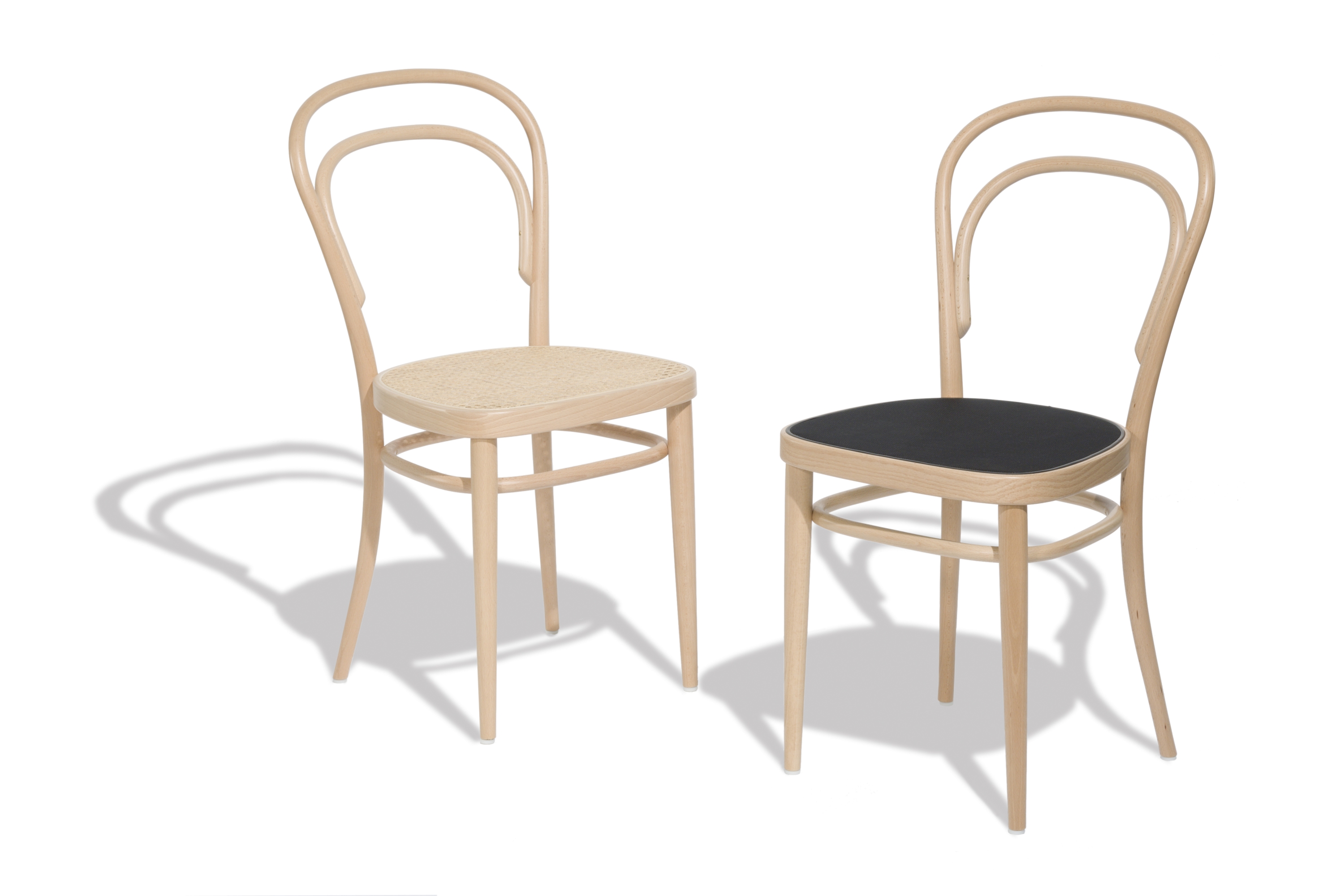
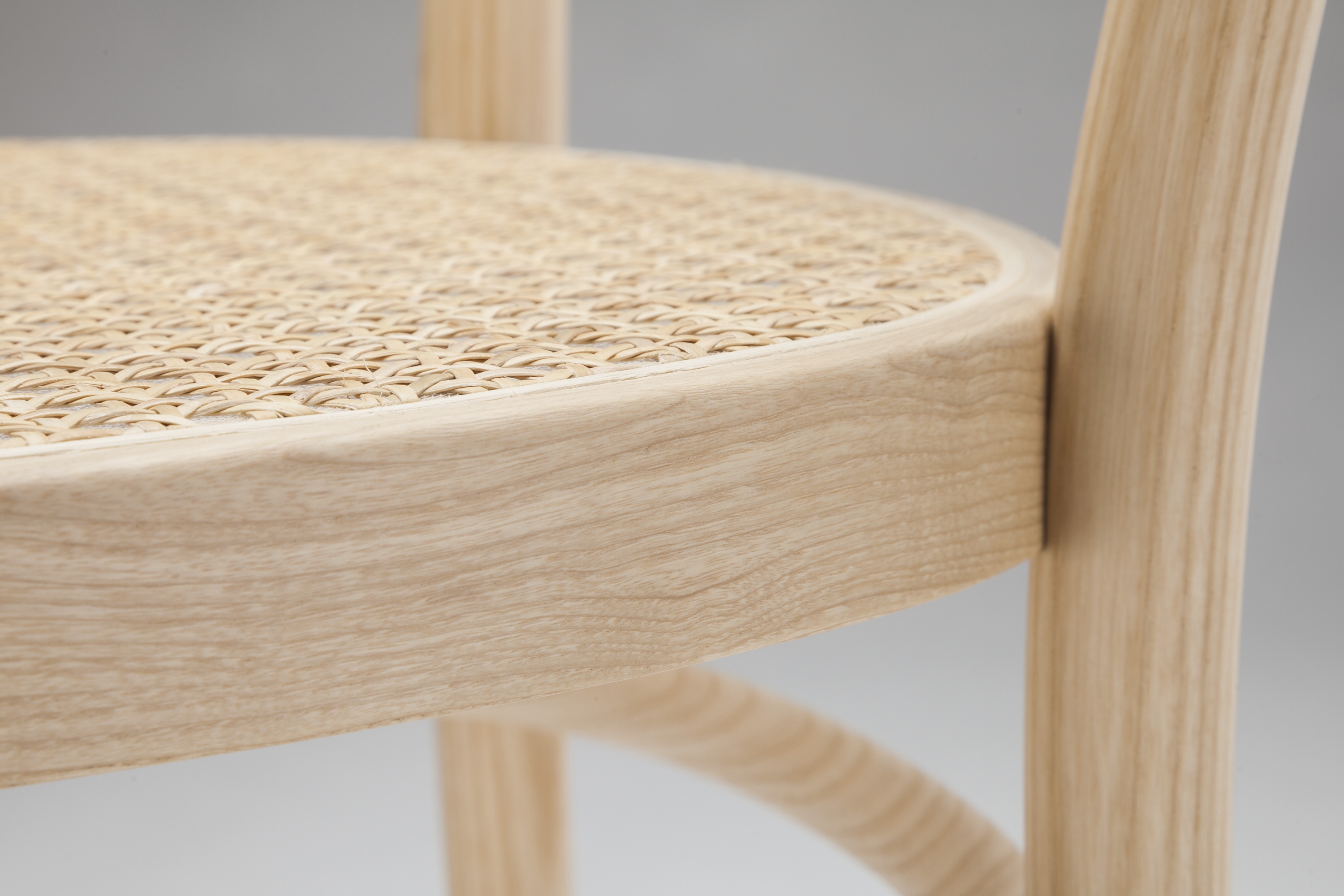
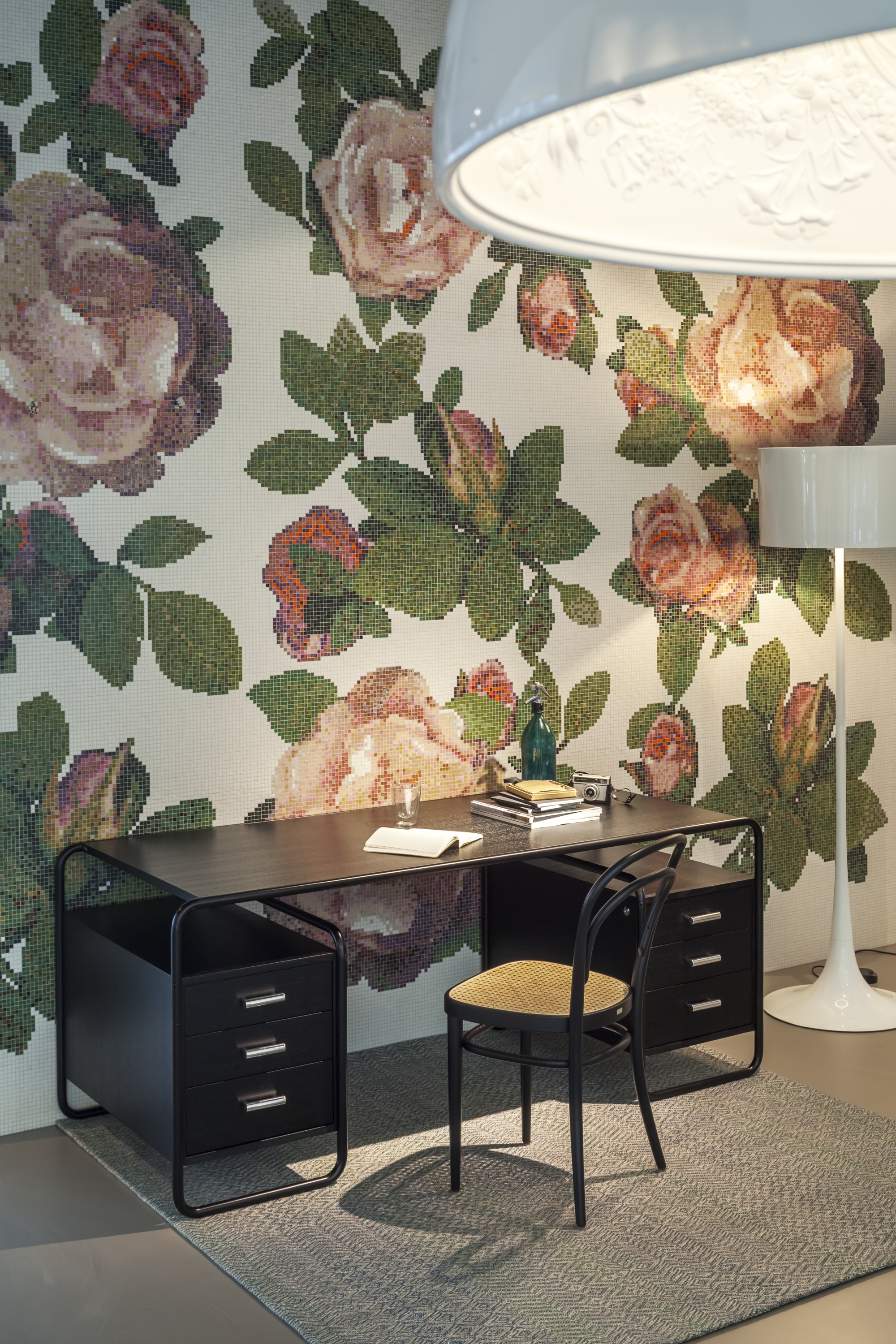
The Thonet 214 bentwood chair without armrests and with open back is covered on the seat with cane and also available in an upholstered version (leather or fabric) or as molded plywood seat. A Pure material variant is also available. The choice of colors, fabrics, leather and variations is countless and determined depending on the selection of the character of the chair and adds a personal touch.
| Height: | 84 cm |
| Width: | 43 cm |
| Depth: | 52 cm |
| Seating height: | 46 cm |
| Material: | Rest and reinforcing tires from European beech |
| Seat: | natural state braided fabric with piping |
| Designer: | Michael Thonet |
Related links to "Thonet 214 coffee house chair"
Read, write and discuss reviews... more
Customer evaluation for "Thonet 214 coffee house chair"
Write an evaluation
Evaluations will be activated after verification.


Immediately
available
available


Immediately
available
available

Immediately
available
available

Immediately
available
available

Immediately
available
available


Immediately
available
available


Immediately
available
available

Immediately
available
available


Immediately
available
available

Immediately
available
available

Immediately
available
available


Immediately
available
available

Immediately
available
available


Viewed